
Saas Operations The Complete Guide



‘Muda’ is used to describe any activity that uses resources but doesn't generate value. It is the Toyota system for identifying and eliminating waste in all forms. It is the same thing that helps Toyota sell more cars than Ford, General Motors, and Honda at a higher margin.
It is not just the manufacturing industry that suffers from the chronic disease of wastage. With the SaaS explosion, other industries (especially the IT) that are consumers of SaaS are suffering from a huge SaaS wastage.
Here, we describe 'SaaS wastage' as SaaS apps that you are paying for but not using to their full potential.
SaaS waste doesn't just exhaust your resources: it requires more resources for its maintenance.
Let's see an example of how SaaS waste generates in your company.
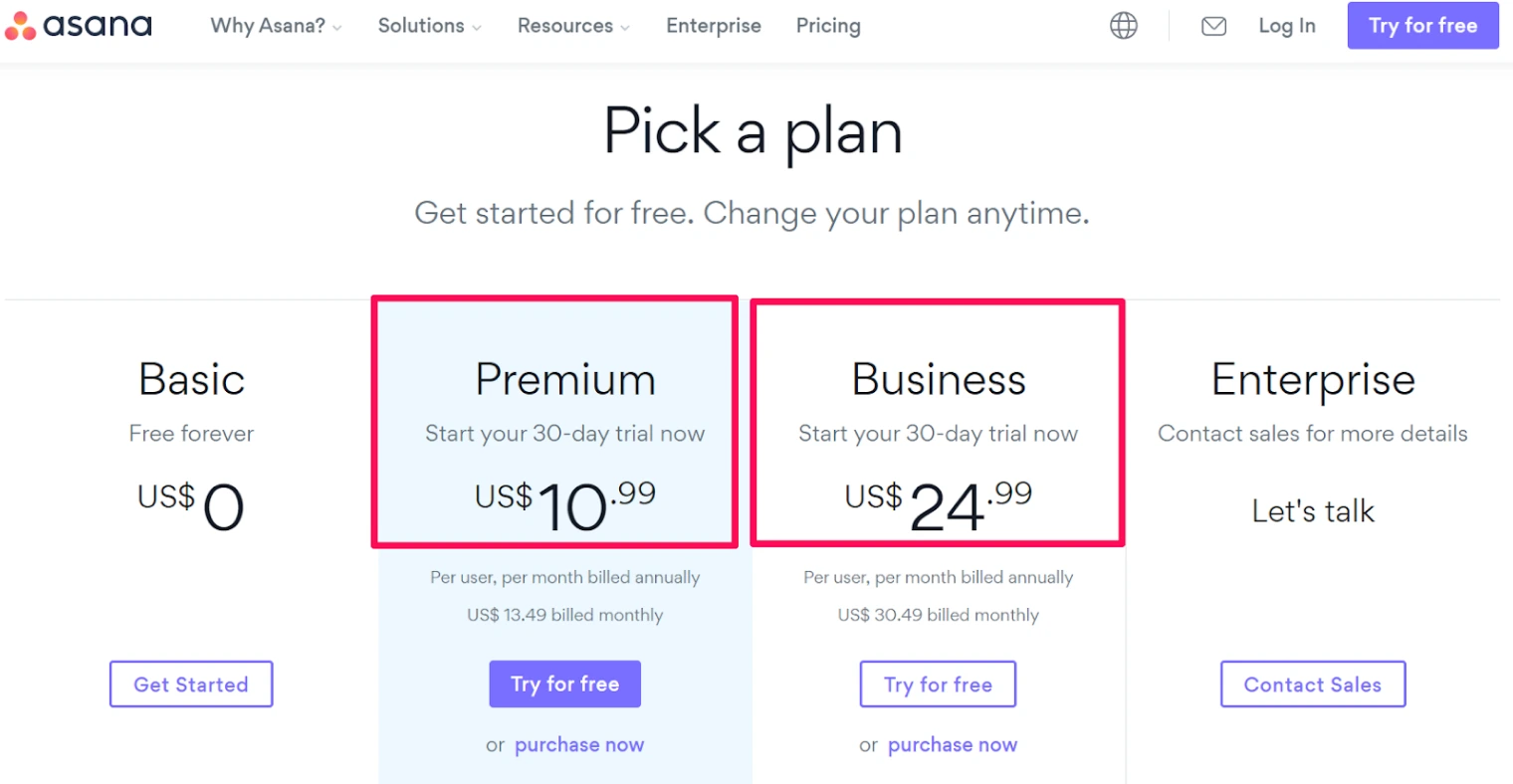
One of the software developers in your company wanted to increase his productivity. So, he signed up for some new project management apps: Trello, Asana, and Basecamp. After trying these three apps, he finally decides to buy the Business Plan of Asana, which costs $24.99/month.
Now, let's see some usual scenarios where this app doesn't get utilized to its full potential:
- You already have some extra Asana licenses purchased by some other departments.
- Other teams are using Trello.
- For his/her requirements, the Premium plan would be more suited, which costs $10.99/month.
You may think it's just $14/month, but it's not difficult to imagine what this could lead to when you have 100s of employees and 100s of apps doing this.
There is a big problem with this approach: as an IT or business leader, you don't have visibility into whether your employees are using these apps or not; or using them to their full potential.
How can this be handled?
Introducing our DUAAS Framework.
Keep Your SaaS Stack Redundancy Free Using DUAAS Framework
DUAAS stands for Duplicate apps, Unused licenses, Auto-renewal of subscriptions, Abandoned apps, and Suitable licenses.
1. Remove Duplicate Apps
Duplicate apps are the result of different teams or employees purchasing SaaS of their own. They don't just lead to paying for the extra apps; you lose on the discounts you could negotiate as a bulk purchaser.
It is prevalent in companies that don't have a source of truth—a database of your SaaS stack—or if they don't update it regularly.
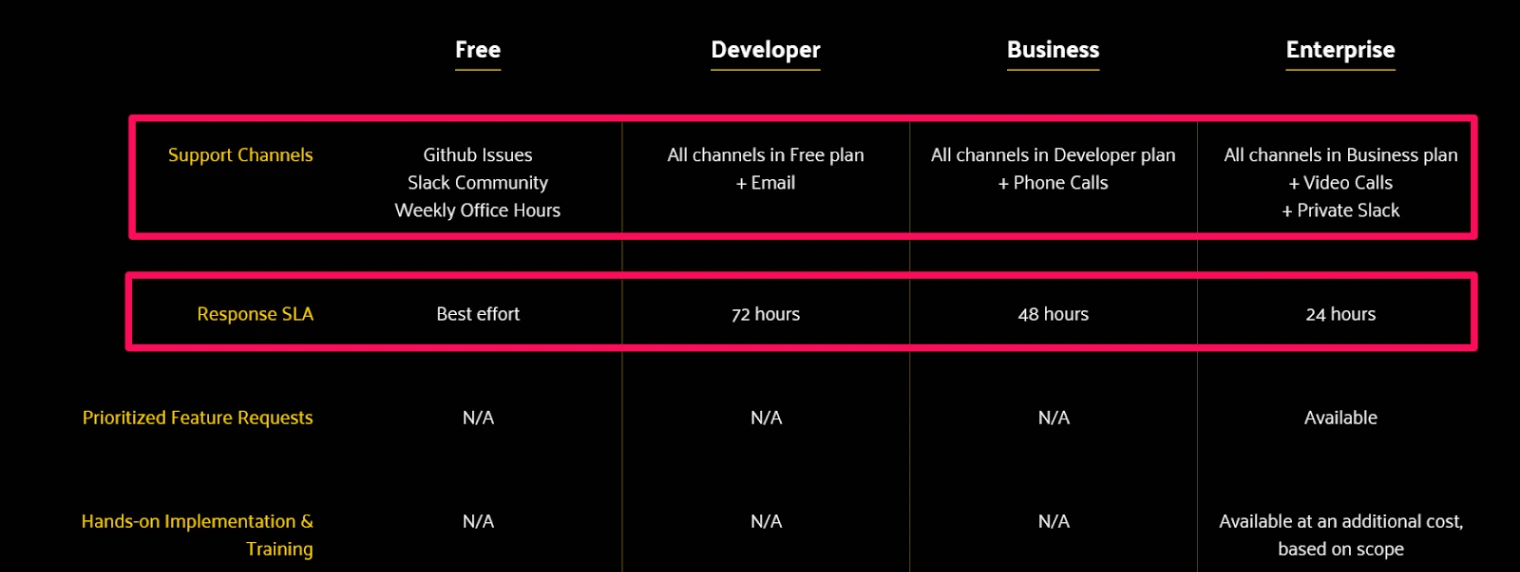
Additionally, many SaaS offer live chat or phone support to enterprise buyers only while providing email support (with a reply time of two to three days) to individual buyers. Other benefits like longer data retention and better security are also available to only enterprise buyers.
2. Rightsize Unused Licenses
If you work for a big company, you know that it's common practice to buy licenses of apps such as SalesForce, Office 365, and ServiceNow in bulk. This allows the company to save money at the moment of purchase.
They buy licenses based on the forecasted demand. At the time of distribution to teams, departments, or business units, many of these licenses are left unused, thus creating waste.
For example, think of a company that bought 1500 Office 365 licenses. During the year, they only have 1230 employees who need the software license. It means they will waste 270 licenses.
Perhaps it doesn't sound as bad. How much harm could 270 licenses do?
Well, an Office 365 business premium license costs $20/month, which translates to wasting over $64,000 every year.
Now that's something entirely different.
The next time you renew your contract, make sure you rightsize and only pay for what you need.

Ritish Reddy